

1. Why Planned Maintenance Fails on Paper
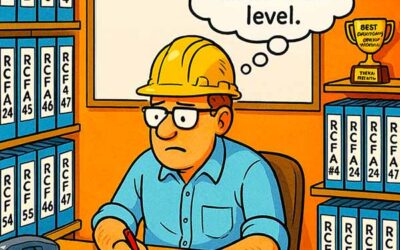
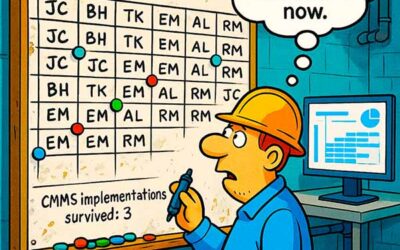
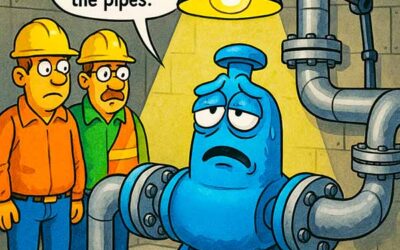
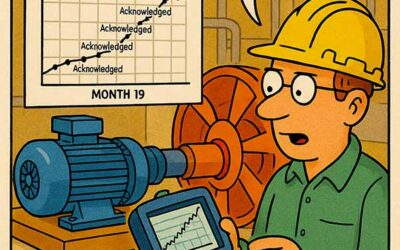
Every maintenance scheduler dreams of the perfect week; work orders lined up, resources in place, production fully onboard. Yet as the cartoon implies, real life disagrees. The clean schedule meets dirty reality.
Planned maintenance isn’t about filling calendars; it’s about building resilience. Most organizations don’t fail from poor intent. They fail because their plans can’t adapt. When one machine goes down or a part doesn’t arrive, that disruption cascades through shifts and crews, multiplying downtime.
Maintenance success isn’t about perfect plans; it’s about plans that survive impact. Flexibility, not rigidity, keeps uptime intact.
The fundamental difference between theoretical planning and real-world execution lies in how the schedule handles variability. Every facility—plant, refinery, or mill—has its own rhythm. Some days run smoothly; others implode. The best schedulers plan for both.
How Smart Planners Handle Variability
- Anticipate interruptions. Every schedule should include buffer time for reactive work.
- Insert strategic flexibility. Leave 15–20% capacity unbooked for inevitable surprises.
- Update daily. Treat schedules as living systems, not frozen documents.
- Measure adaptability. Track how often your plan changes and how fast you recover.
These minor adjustments transform scheduling from “wishful thinking” into adaptive control.
2. The Core Principles of Planned Maintenance
The best planned maintenance programs follow three non-negotiable principles:
1. Readiness
No job should hit the schedule unless verified as ready. That means:
- All parts kitted and staged
- Permits and procedures approved
- Tools and technicians confirmed
A readiness audit conducted 2–3 days before launch can boost wrench time by up to 25%.
2. Prioritization
Not every task matters equally. Assign priority based on:
- Safety – Jobs that prevent harm take top priority.
- Criticality – High-risk equipment receives more attention.
- Production impact – Work tied to throughput should rarely be deferred.
3. Flexibility
Plans fail when they’re too rigid. Great maintenance teams:
- Schedule 80–85% of labor hours
- Reserve time for emergency work
- Adjust the plan daily without losing weekly objectives
These rules turn “maintenance schedules” into performance engines.
3. Making Planned Maintenance Predictable
A reliable planned maintenance system predicts disruptions before they occur. The process starts with data, not gut feel.
Use Data to Find Weak Points
- Review weekly compliance: What percentage of scheduled work was done?
- Track wrench time: How much of each shift is productive?
- Identify chronic blockers: Unavailable assets, missing parts, or overbooking?
Each missed job is a signal. Study the pattern; the data tells you where process design is broken.
Integrate Predictive Inputs
Feed condition-based insights directly into the plan:
- Vibration or oil analysis indicating early-stage failure
- Thermal scans showing heat buildup
- Operator feedback suggesting performance drift
This transforms maintenance from reactive to preventive intelligence.
Collaborate with Operations
Weekly joint reviews between production and maintenance synchronize downtime windows. Plants that align both schedules see:
- 15–20% higher OEE
- Fewer last-minute delays
- Improved morale on both sides
Collaboration turns planned maintenance into a shared mission, not a maintenance-only ritual.
4. Sustaining Planned Maintenance Discipline
Building a great plan is easy; protecting it is the real test.
Freeze and Execute
Once a weekly schedule is approved:
- Lock it in.
- Allow changes only for safety or production emergencies.
- Track every deviation to expose weak planning habits.
Daily Review Meetings
Hold 15-minute “plan vs. actual” standups to:
- Flag delayed or at-risk jobs
- Reallocate technicians before problems snowball
- Keep everyone accountable in real time
Close the Feedback Loop
End each week with a simple review:
- What was planned?
- What was done?
- Why did gaps occur?
- What must change next week?
These reflections convert short-term chaos into long-term maturity.
Celebrate Consistency
Recognition builds discipline. When a team hits 90% schedule compliance, highlight it. Maintenance performance improves faster when consistency is rewarded—not just completion.
5. The Payoffs of Planned Maintenance
Planned maintenance produces three compounding returns:
- Operational predictability: Consistent maintenance creates consistent production.
- Financial stability: Fewer breakdowns mean fewer emergency purchases and overtime hours.
- Cultural alignment: Maintenance shifts from reactive firefighting to proactive precision.
Plants that stick with disciplined planned maintenance for 12 months often report:
- 25–30% reduction in unplanned downtime
- 10–15% higher wrench time
- Dramatically improved trust between maintenance and operations
Conclusion
Perfect schedules don’t exist, but planned maintenance makes them irrelevant. The goal isn’t perfection; it’s resilience. When readiness, prioritization, and flexibility guide your process, plans stop collapsing under pressure and start absorbing it.
Maintenance planning done right doesn’t predict the future; it prepares for it. Reality may erase your perfect schedule, but with strong planned maintenance discipline, it will never erase your reliability.