
Maintenance professionals know that a fully loaded schedule looks efficient on paper. Every slot is filled, every technician is busy, and leaders feel reassured that no labor is wasted. But this is an illusion of efficiency. In practice, maintenance scheduling to 100% capacity sets plants up for failure the moment reality intrudes.
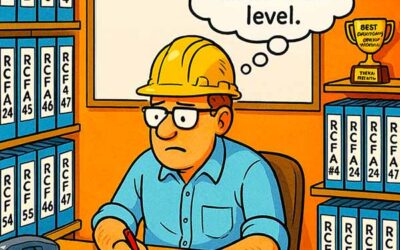
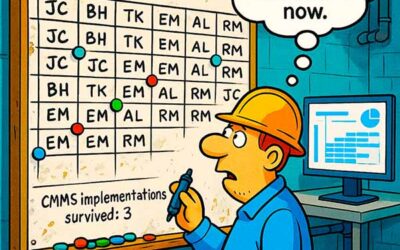
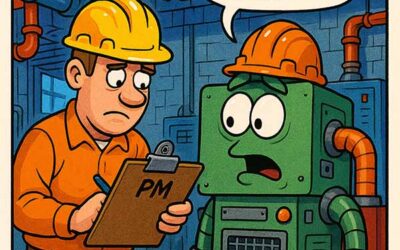
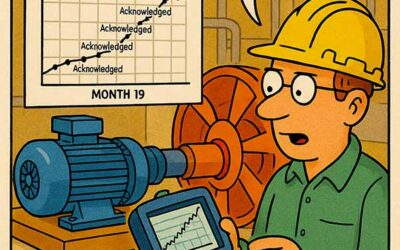
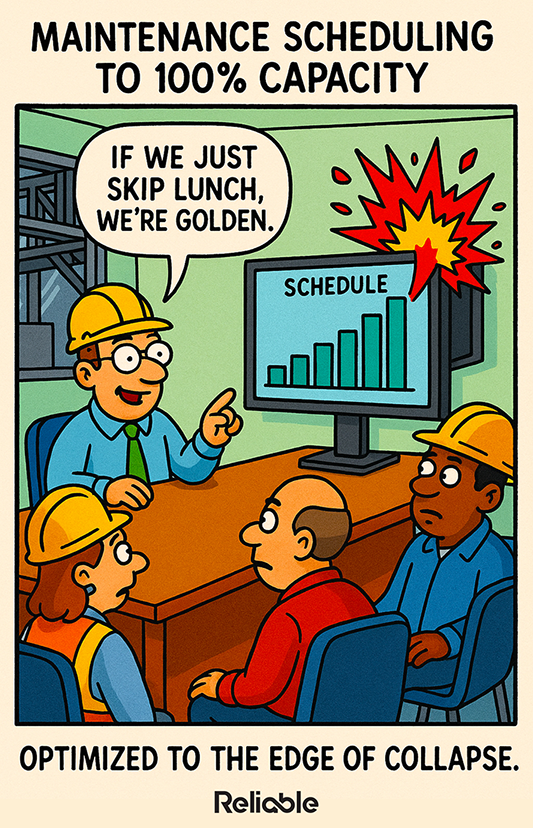
The cartoon captures this perfectly: a manager proudly suggests skipping lunch to keep the schedule “golden,” while the chart literally explodes. It’s a sharp reminder that optimization without resilience is just fragility wearing a suit. Let’s explore why this approach backfires, how the hidden costs accumulate, and what alternative strategies actually drive long-term reliability.
The Myth of 100% Utilization in Maintenance Scheduling
On paper, the logic seems airtight: if you schedule every available labor hour, you’ll maximize throughput. The problem is that plants don’t operate on paper. They are dynamic, noisy, and unpredictable ecosystems. Machines fail, spare parts are missing, and inspections reveal problems that weren’t part of the original plan.
When maintenance scheduling runs at 100% capacity, there is no room to absorb these shocks. One small disruption ripples across the entire week, causing technicians to jump between tasks, defer inspections, or cut corners. The cost is not always apparent at first—work orders may look “complete” – but asset reliability erodes silently in the background.
Think of it like highway traffic. When lanes are 100% filled, even a minor fender-bender can cause a massive jam. With slack space, traffic can reroute and keep flowing. Plants are no different: some white space is not waste, it’s insurance against chaos.
Why Maintenance Scheduling to 100% Capacity Risks Collapse
Pushing to the edge of efficiency invites three predictable breakdowns:
- Emergency Response Delays
When no one is free, urgent repairs wait in line. That delay often compounds damage and stretches downtime far beyond the original failure. What could have been a quick intervention becomes a significant outage. - Erosion of Preventive Maintenance
Preventive inspections and routine tasks are the first to be sacrificed. Ironically, this creates a vicious cycle: skipping proactive work seeds the very emergencies that clog the system. Plants chasing efficiency today build tomorrow’s failures. - Burnout and Human Error
Unlike machines, technicians need rest, margin, and focus. Forcing teams to grind through fully packed schedules leads to stress, fatigue, and mistakes. Even worse, safety incidents rise when crews are rushed and stretched thin.
The common theme is fragility. A brittle plan might work in a perfect world, but in the real one, it collapses under even modest strain.
Building Slack into Maintenance Scheduling
Resilient organizations deliberately build slack into their plans. Instead of aiming for 100%, they schedule around 80–85% utilization, leaving 15–20% for the inevitable: breakdowns, inspections, meetings, and problem-solving.
This doesn’t mean technicians sit idle. Slack time is naturally consumed by emergent work, troubleshooting, or quality checks. The difference is that work is absorbed smoothly, rather than derailing the entire schedule.
A good example is preventive lubrication rounds. If these get skipped because every technician is booked wall-to-wall, failures follow months later in the form of seized bearings or overheated gearboxes. Plants that plan with margin ensure those tasks are done on time, preventing costly surprises down the road.
Slack also improves morale. Technicians know they aren’t being set up to fail every day, and they have the mental bandwidth to do work carefully. That translates directly into fewer mistakes, safer practices, and better asset performance.
From Fragile Optimization to Reliable Execution
The punchline—“Optimized to the edge of collapse” – isn’t just funny, it’s painfully true for many plants. The obsession with 100% scheduling capacity reflects a mindset that values short-term efficiency over long-term resilience. But reliability leaders know that resilience always wins.
Moving away from brittle optimization requires a cultural reset. Instead of measuring success in terms of hours booked or tasks completed, organizations must track metrics that reflect actual performance, including mean time between failures (MTBF), schedule compliance, preventive maintenance completion, and ultimately, uptime.
This shift is not easy. It often runs counter to financial pressures and ingrained habits. But the payoff is immense: fewer emergencies, smoother workflows, happier technicians, and assets that perform as designed.
The lesson is clear: robust systems bend, fragile ones break. By resisting the temptation to squeeze every ounce of capacity, plants can create maintenance systems that endure, adapt, and deliver reliability year after year.
Closing Thought
Maintenance scheduling to 100% capacity is a seductive trap. It looks disciplined, but in reality, it strips resilience from the system. Just like a bridge built without margin will eventually fail, schedules without slack collapse under pressure. Strong leaders understand this paradox: true reliability comes not from doing more, but from leaving space to adapt when the unexpected arrives.