
Most maintenance teams know they’re reactive. They’ll tell you straight up. What they can’t tell you is how to stop, because stopping feels impossible when the next breakdown is already happening.
That’s the trap. And it’s self-reinforcing.
Why the Treadmill Keeps Spinning
Reactive maintenance has a brutal economics problem. Every failure handled reactively costs two to five times more than the same repair done planned. It shows up in your parts budget, your overtime hours, and your contractor invoices. Do the math on last quarter and see where it lands.
But here’s what makes it sticky: firefighting produces visible wins. You broke down, someone fixed it, production is back up. Everybody high-fives. The hero gets recognized.
Proactive work produces… nothing you can see. A bearing that didn’t fail. A pump that ran through shutdown without incident. You can’t point to the problem you prevented.
So organizations keep funding what feels urgent, and the improvement work never gets scheduled.
If your best reliability engineers spend 80% of their time reacting, you’re paying reliability engineer salaries for a repair crew.
The Numbers Are Worse Than You Think
SMRP benchmarking data shows most reactive-heavy plants allocate nearly 60% of maintenance hours to unplanned work. World-class plants flip that. They run above 60% planned work and keep reactive below 20%.
The gap between those two states is enormous, both in cost and in culture. Plants operating in reactive mode spend more per repair, carry more inventory, burn out good technicians, and can’t attract the experienced people they need to improve.
The chart below shows what a typical reactive plant looks like. If that distribution looks familiar, the problem is structural, not motivational.
How maintenance teams spend their time
| Category | % of Hours | Relative share |
| Reactive (firefighting) | 58% | █████████████████ |
| Planned / preventive | 26% | ███████ |
| Proactive / improvement | 9% | ███ |
| Admin / other | 7% | ██ |
Source: SMRP benchmarking data, typical reactive-heavy plant. World-class plants invert this split: >60% planned, <20% reactive.
The Three Reasons Teams Stay Stuck
Understanding why you’re on the treadmill matters, because the solutions are different depending on the root cause.
You’re understaffed and you know it.
There’s no slack in the system for planned work. Every available hour goes to keeping the plant running. This is a resourcing conversation, and until leadership funds it, the math doesn’t change.
You have capacity, but the work isn’t planned.
This is more common than people admit. The hours exist, but the PM program is underdeveloped, tasks aren’t scheduled proactively, and technicians default to reactive because that’s what gets prioritized in the moment.
You’re planned on paper, but not in practice.
Work orders exist. PMs are scheduled. But compliance is low, jobs get bumped for production, and the system isn’t trusted. This is a process and accountability problem.
Most plants have all three. The mix determines where to focus first.
How to Actually Break the Pattern
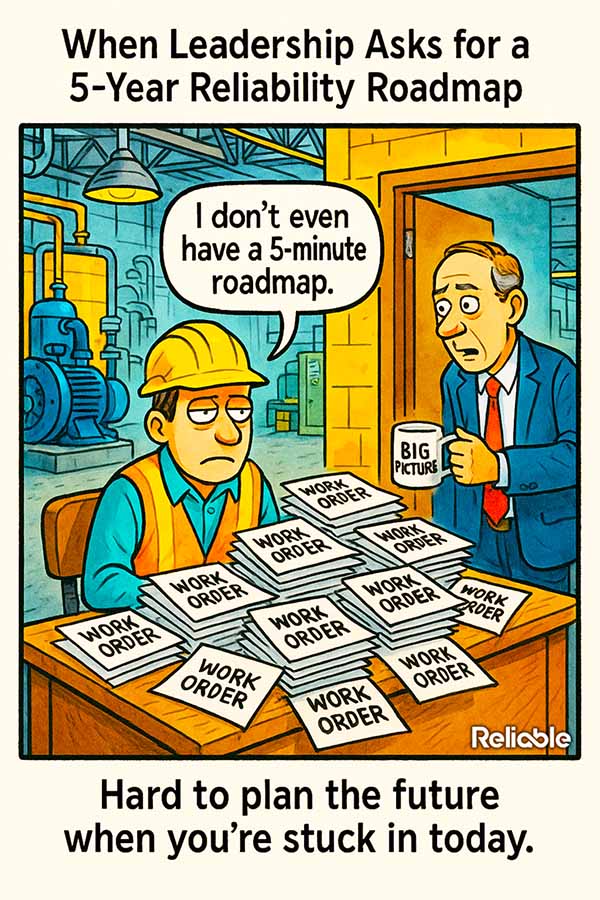
The instinct is to build a big improvement roadmap. A five-year plan. A phased transformation. Leadership loves this.
The problem is that big plans require slack you don’t have, and they don’t survive first contact with the next major failure.
Small, durable wins work better. Here’s what that looks like in practice:
- Pick your five highest-failure assets and do nothing else for 90 days.Pick your five highest-failure assets and do nothing else for 90 days.
- Run RCAs on each one. Build task lists. Assign ownership. Measure MTBF before and after. Five assets, done properly, will do more for your program than fifty assets managed loosely.
- Protect planning time like it’s a production commitment. One planner, fully dedicated, no reactive wrench time. Plants that share planning duties with reactive response don’t plan. They react with extra steps.
- Schedule backlogs weekly, not monthly. A backlog that gets reviewed monthly gets ignored. When planners and supervisors sit down every week to assign the next two weeks of work, discipline stays high and slippage is caught early.
- Track reactive vs. planned ratio publicly. Put the number on the board. Make it visible to everyone, including production. When production managers see that their last-minute requests are keeping the ratio at 65% reactive, the conversation changes.
- Stop accepting every emergency as an emergency. Some are real. Most are urgencies that became emergencies because someone didn’t plan. Start categorizing your reactive work by root cause. If 40% of your ‘breakdowns’ trace back to deferred PMs, that’s a resource allocation problem, not bad luck.
Reactive work is loud. Planned work is quiet. Organizations fund what’s loud. That’s a cultural choice disguised as an operational necessity.
What Progress Actually Looks Like
The path from 60% reactive to 30% reactive doesn’t happen in a quarter. Realistic timelines for serious improvement run 18 to 36 months. Plants that claim dramatic transformation faster than that usually got there through a major capital replacement cycle or a staffing surge, not a program.
Sustainable progress looks like this:
- Months 1-3: Stop the bleeding on your worst five assets. Get some wins. Build credibility.
- Months 4-9: Expand the asset list. Hire or develop a real planner. Start tracking compliance.
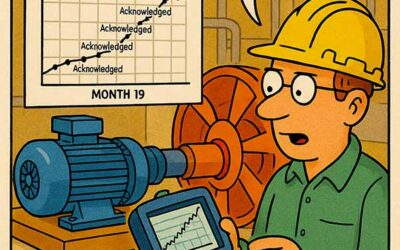
- Months 10-18: Program starts self-funding through cost avoidance. Reactive ratio drops below 45%. The culture starts to shift.
- Months 18-36: Proactive work becomes the norm, reactive is the exception, and you can actually answer leadership’s question about the five-year roadmap.
It’s not glamorous. It doesn’t fit on a slide deck. But it’s how plants actually get out of the treadmill.
The Leadership Conversation Nobody Wants to Have
Here’s the honest version: reactive programs are usually a leadership problem that manifests as a maintenance problem.
When production consistently overrides PM schedules, that’s a leadership problem. When there’s no funded position for a dedicated planner, that’s a leadership problem. When reliability improvement gets cut from the budget because ‘we need bodies on the floor,’ that’s a leadership problem.
Maintenance teams can do a lot with what they have. But they can’t build a reliability program on borrowed time, borrowed people, and a backlog that grows faster than they can clear it.
You can’t plan the future when you’re stuck in today. But you also can’t get unstuck without someone with authority deciding that the future is worth protecting.
The technician buried in work orders isn’t failing. The system he’s working inside is failing him.
Where to Start Monday Morning
If you’re reading this and nodding, pick one thing. Just one.
Identify your five worst assets. Pull 12 months of work orders on each one. Look for patterns. Book an hour with your best technician and ask what he’d fix if he had the time.
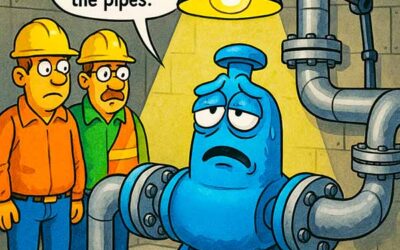
That’s your starting point. The five-year roadmap can wait. The conversation with your worst pump cannot.