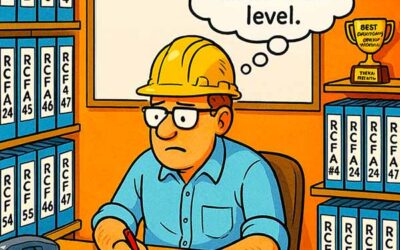
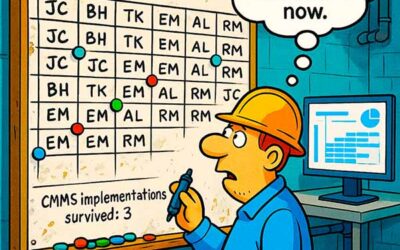
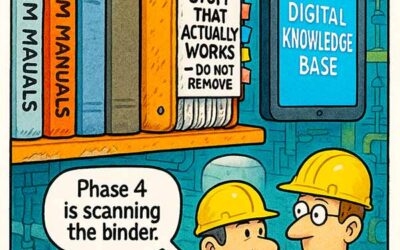
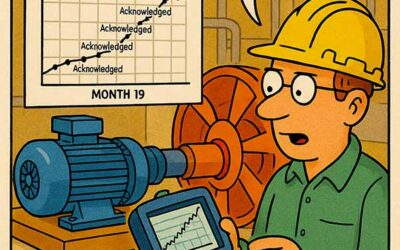
Kaizen is built on a powerful idea: small, consistent improvements compound into significant performance gains. In Japanese, “kai” means change, and “zen” means good. But in practice, this noble philosophy often takes a wrong turn. The cartoon of sticky-note chaos illustrates it perfectly—teams overwhelmed by endless suggestions, leaders promising that perfection is just one more idea away.
This paradox happens because kaizen, without discipline, easily devolves into disorder. The key is not abandoning the philosophy, but practicing kaizen —continuous improvement —and adopting best practices that focus energy, prioritize wisely, and prevent the system from collapsing under its own weight.
Why Kaizen Continuous Improvement Best Practices Are Essential
When kaizen was introduced in Japanese manufacturing, it wasn’t about flooding employees with tasks; it was about making work better, safer, and more efficient one step at a time. Western adoption sometimes overlooks this nuance, reducing kaizen to endless workshops, sticky-note storms, and initiatives that fail to connect to business outcomes.
Best practices bring order to the process.
- They filter ideas so that only improvements tied to reliability, quality, or safety move forward.
- They align with strategy, ensuring kaizen doesn’t become a side project disconnected from the mission.
- They sustain momentum by pacing improvement rather than overwhelming teams.
Without these safeguards, kaizen can feel like “continuous busywork” instead of continuous improvement.
The Pitfalls of Chaotic Kaizen in Real Plants
Walk into many plants, and you’ll find evidence of chaotic kaizen. Bulletin boards overflow with Post-its. Suggestion programs gather hundreds of ideas with no prioritization. Teams get caught in marathon kaizen events, but few of the outcomes survive six months later.
The most common pitfalls when kaizen continuous improvement best practices are ignored include:
- Idea overload: Everyone contributes, but execution stalls.
- Short-term enthusiasm, long-term drop-off: After the initial energy fades, employees disengage.
- Metrics mismatch: Improvements are celebrated, but they don’t impact critical KPIs like MTBF or maintenance cost as % of RAV.
- Hidden cultural fatigue: Employees start to see kaizen as just another management fad.
Ironically, the attempt to improve ends up reducing reliability because resources are spread too thin.
How to Apply Kaizen Continuous Improvement Best Practices
To prevent chaos, organizations need structure. Here are five actionable ways to apply kaizen effectively:
- Ruthlessly prioritize. Use an impact–effort matrix to sort initiatives. This filters out noise and ensures that high-value ideas are acted upon.
- Tie every improvement to metrics. If a kaizen activity doesn’t move OEE, safety performance, or maintenance cost, question its value.
- Limit active initiatives. Just as lean limits WIP, kaizen should limit improvements in progress. Focus accelerates results.
- Empower quick wins. Teams should act on simple improvements immediately. Save resource-heavy initiatives for structured approval.
- Regularly review and sunset. Not all projects are meant to last forever. Kill initiatives that don’t deliver.
The best plants utilize these kaizen continuous improvement best practices to create a steady rhythm: capture ideas, filter them, implement, measure, and repeat.
Building a Sustainable Culture of Kaizen
At its core, kaizen is a cultural phenomenon. It’s not about tools, it’s about how people think about work. Sustaining kaizen requires both leadership discipline and employee engagement.
- Leaders must model restraint. If leadership chases every idea, employees assume volume is the goal. Leaders should celebrate select, high-value improvements.
- Celebrate value, not activity. A single improvement that reduces downtime by 10% is worth more than 50 cosmetic changes.
- Leverage technology. Replace sticky-note walls with digital dashboards that make priorities and results visible in real time.
- Balance rigor with humanity. Employees need to feel that kaizen helps them succeed, not just adds more work to their already busy schedules.
Contrarian view: Some organizations should deliberately slow kaizen. Too much change destabilizes routines and introduces new risks. Sometimes the best improvement practice is knowing when to stop.
Lessons from World-Class Reliability Programs
Plants that get kaizen right don’t just adopt best practices—they embed them into a reliability strategy.
- TPM (Total Productive Maintenance): Uses kaizen as a tool for operator ownership, not as an endless suggestion program.
- RCM (Reliability-Centered Maintenance): Aligns kaizen improvements with criticality analysis so that improvements target high-risk assets.
- Digital integration: World-class programs use sensors and predictive analytics to focus kaizen on data-backed improvements, rather than anecdotal ideas.
In each case, kaizen continuous improvement best practices aren’t just about collecting ideas. They’re about execution, measurement, and integration within a reliable culture.
Closing Thought
Kaizen is not about drowning in sticky notes. It’s about purposeful, incremental change that compounds into meaningful results. Without discipline, kaizen becomes overwhelming and chaotic. With discipline, guided by kaizen continuous improvement best practices, it becomes the engine that drives reliability, efficiency, and long-term business success.
The cartoon is funny because it’s true. But the lesson behind it is profound: perfection is never “one Post-it away.” It’s the result of disciplined, focused, and sustainable improvement.