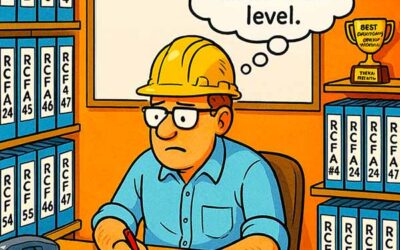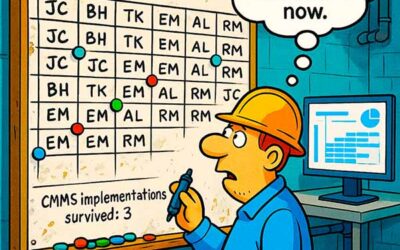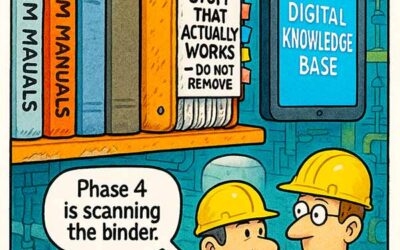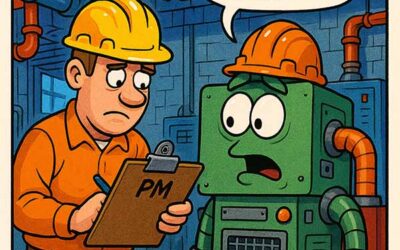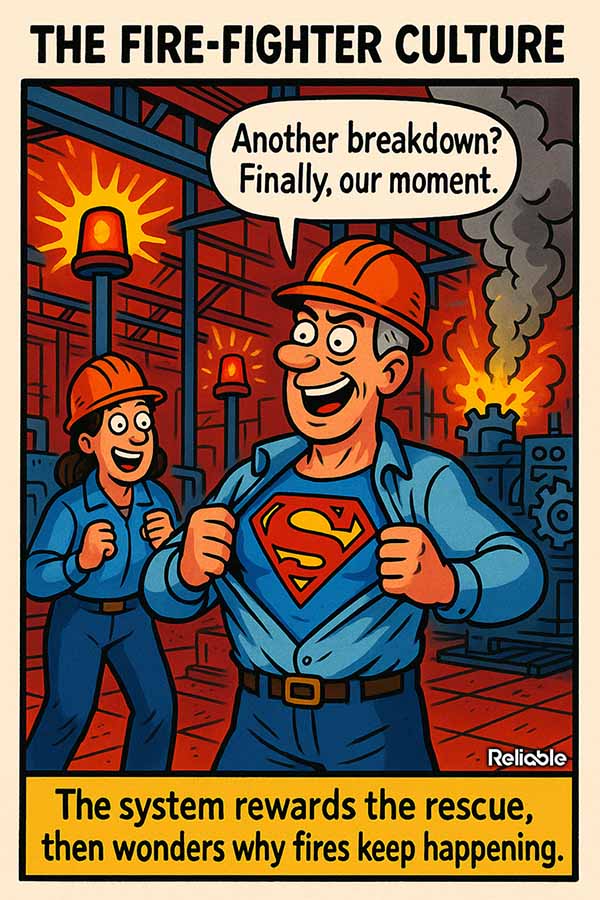

Every plant has a hero. The technician who shows up at 2 a.m., crawls into a hot machine, and gets the line running again by dawn. Everyone claps. The trouble is what the applause teaches.
When the only moment anyone gets recognized is the rescue, the whole system quietly learns to value breakdowns. That is the trap, and figuring out how to reduce reactive maintenance starts with seeing how your own incentives feed it.
Reactive work feels productive because it is visible. Smoke, sweat, a fixed machine, a grateful supervisor. Planned maintenance that prevents the breakdown is invisible by design, so it rarely earns the same credit.
Why Reactive Maintenance Feels Like Winning
Firefighting is addictive for a reason. It delivers a clear problem, a fast fix, and immediate praise, all in one shift. Planned work offers little of that drama.
So the cycle reinforces itself. The crew that is good at emergencies gets handed more emergencies. Skilled people spend their careers reacting, and the plant mistakes motion for progress.
A plant that only celebrates the rescue will always have plenty of fires to put out.
Underneath the noise, the equipment keeps degrading on its own schedule. The 2 a.m. call was set in motion weeks earlier by a missed inspection or a deferred repair.
Break that link, and the calls stop coming.
Count the True Cost of Firefighting
Reactive repairs look cheap because you only see the part and the hours. The real bill runs much deeper.
- Emergency parts at premium prices, expedited freight, and whatever the distributor charges when you have no choice.
- Overtime and callouts, plus the productivity lost the next day from a tired crew.
- Collateral damage when a small failure cascades into a big one.
- Lost production, which almost always outweighs the repair itself.
- Safety exposure, because rushed work in a live plant is where people get hurt.
Maintenance cost studies and industry experience often place reactive work at several times the cost of the same job done in a planned window. Run mostly reactive, and you are paying a premium on many repairs.
Reactive maintenance is the most expensive way to keep a plant running, and it is the easiest to fall into.
That cost gap is the lever. Once leadership sees the difference, the conversation shifts from why slow down to plan toward why keep paying more for work that could have been controlled.
What Constant Firefighting Does to Your Crew
The cost of reactive maintenance shows up on the equipment, but it lands hardest on people. A crew that lives on emergencies burns out, and your best technicians are the ones who burn out first.
Think about who gets the 2 a.m. call. The senior tech who can be trusted to make the save. Reward that often enough and you teach your most valuable person that competence buys exhaustion.
Turnover follows. The people who could build a proactive program leave for a plant that already has one, and the hard-won knowledge walks out the door with them.
Safety lives here too. Tired people doing rushed work in a live plant make mistakes, and emergency repairs can compress the planning, isolation, and verification steps that keep people safe.
How to Reduce Reactive Maintenance Without Stopping the Plant
You cannot flip a switch from reactive to proactive. The machines still break while you build the new system, so the shift has to happen in parallel with the daily grind.
The path out has a few reliable moves, each one chipping away at the flow of surprises.
Fix the reward system first
Start by changing what gets praised. Recognize the inspection that caught a cracked bearing before it let go, not just the midnight rescue. When prevention becomes the thing that earns respect, behavior follows.
Make the change visible. Put prevented failures on the same board where you used to celebrate heroic repairs, and report avoided downtime in the morning meeting. What leadership measures and praises is what the floor will chase.
Protect a small block of proactive time
Carve out a protected block of hours each week for planned and preventive work, and defend it like a production order. Even a small protected slice of labor, walled off from the daily chaos, can start bending the curve. Grow the block as the emergencies thin out.
Plan and schedule the work
A backlog of known work, planned and scheduled, is how you convert chaos into routine. Good maintenance planning and scheduling means the parts, tools, and instructions are staged before the technician walks up, so jobs get done once and done right.
Let the equipment tell you what it needs
Condition monitoring replaces guesswork with evidence. Vibration, temperature, and oil data show you which machines are trending toward trouble, so you can focus intervention on the assets showing risk instead of treating every asset the same.
Begin with a consistent route and someone who actually reads the trends: vibration on rotating equipment, infrared on electrical panels, and oil sampling on critical gearboxes. Expensive sensors can come later, once the basics are paying off.
The goal is to fix machines on your schedule, in daylight, with the right parts already on the bench.
That single shift, from their schedule to yours, is what separates a calm plant from a frantic one. It is also the clearest sign your program is maturing.
Build the Proactive System That Keeps Reactive Work Down
Reducing reactive maintenance for one good month is easy. Keeping it down takes a system that holds when the pressure returns.
A predictive maintenance strategy gives you the early warning you need to stay ahead, using real condition data to schedule repairs before failure instead of after.
Early failure detection can turn a potential 2 a.m. breakdown into a planned repair window, and that is the entire point of building the system.
- Identify the critical assets where a failure actually hurts, and aim your effort there first.
- Set up condition monitoring routes so degradation has a better chance of being caught early enough to plan the work.
- Track schedule compliance and reactive percentage so you can see the trend, not just feel it.
- Protect planned work from being raided every time something squeaks.
Watch two numbers. Reactive work as a share of total hours should fall over time. Schedule compliance, the percentage of planned work actually completed as scheduled, should climb toward a realistic target for your plant and hold there; many teams use 80 percent as a useful benchmark.
Every hour you move from reactive to planned reduces the premium paid for emergency work, and the plant gets quieter every month you do it.
That compounding is the reward. Fewer breakdowns free up the hours that used to vanish into firefighting, and those hours go straight back into prevention.
The flywheel turns the other way for once. Less chaos creates time for planning, planning prevents the next breakdown, and the prevented breakdown creates more time still.
Give it two or three quarters of consistent execution and the change becomes easier to see. The plant that used to lurch from crisis to crisis starts running more of its work on a schedule, and the midnight phone calls become less routine.
Common Traps That Pull Plants Back Into Reactive Work
Most programs that slide backward fail in predictable ways. Knowing the traps helps you dodge them.
- Treating the planner as a spare set of hands and pulling them onto tools during every crisis.
- Letting the schedule become a wish list nobody is held to.
- Buying sensors before anyone is assigned to act on the data they produce.
- Declaring victory after one good month and quietly dropping the discipline.
Each trap shares the same root: the new system gets sacrificed the first time the old pressure returns. Guard against that, and the gains stick.
Where to Start on Monday
Resist the urge to reform the whole plant at once. Pick one critical machine that has burned you more than once, and put a real plan around it.
Set it up on a condition monitoring route, plan its known repairs, and schedule them into a window you control. Prove the model on one asset, show the cost and downtime drop, then use that win to fund the next.
Pick the metric you will watch before you start, so the win is undeniable. Reactive hours on that one machine, or its unplanned downtime, measured the month before and the quarter after. Numbers move budgets far better than stories do.
Knowing how to reduce reactive maintenance is half the battle. The other half is the discipline to protect the plan on the bad days, because that is exactly when the old habit comes calling. Hold the line there, and fewer fires start in the first place.