
The Quick Fix Trap
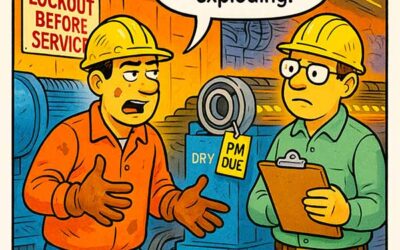
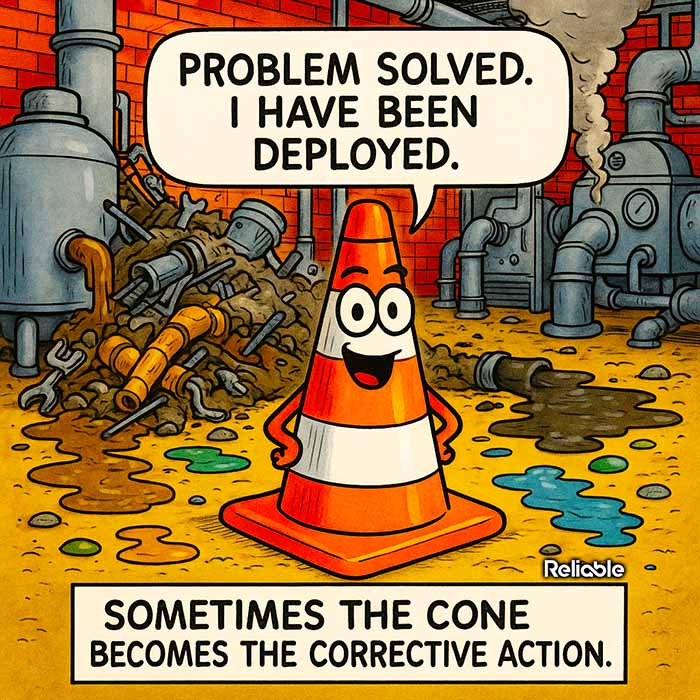
Every maintenance team has seen it. A pipe leaks, someone slaps a patch on it, and the work order gets closed. Problem solved, right? Not even close. That patch buys time, but the underlying failure mechanism keeps grinding away. Weeks later, the same pipe leaks again. Implementing effective corrective actions in maintenance means breaking this cycle for good.
Quick fixes feel productive. They clear the backlog, keep operations running, and satisfy the pressure to “just get it done.” But they also create a hidden cost: repeat failures that consume parts, labor hours, and (eventually) management credibility.
The difference between a temporary patch and a true corrective action comes down to one thing: root cause. If you haven’t identified why a failure occurred, you haven’t corrected anything. You’ve only delayed the next breakdown.
What Effective Corrective Actions in Maintenance Actually Look Like
A corrective action is a permanent change that eliminates or controls the root cause of a failure. It goes beyond replacing a broken part. It answers the question: what allowed this failure to happen, and what must change so it doesn’t happen again?
Strong corrective actions share a few common traits:
- They target the root cause, not just the symptom.
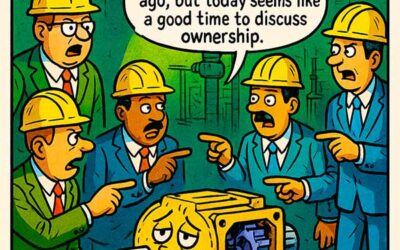
- They include a defined owner and a completion deadline.
- They are verified after implementation to confirm the failure mode has been eliminated.
- They feed back into preventive maintenance plans, inspection routes, or design standards.
Without those elements, you’re writing work orders that look corrective on paper but change nothing in practice. That gap between paperwork and real improvement is where most programs stall.
Too many teams treat corrective actions like a checkbox on an audit form. They document what happened, assign a vague follow-up, and move on. The work order closes, but the failure pattern stays wide open.
If you haven’t identified why a failure occurred, you haven’t corrected anything. You’ve only delayed the next breakdown.
That mindset has to shift. A corrective action is a commitment to change, backed by analysis, resources, and follow-through. Treating it as anything less guarantees repeat failures.
Root Cause Analysis: The Engine Behind Real Fixes
You can’t fix what you don’t understand. Root cause analysis (RCA) is the discipline that connects a symptom to its origin. Several proven methods exist, and the best teams pick the right tool for the complexity of the failure.
Common RCA Methods
- 5 Whys: a simple, iterative questioning technique suited to straightforward failures.
- Fishbone (Ishikawa) diagrams: useful for organizing potential causes across categories like materials, methods, machines, and manpower.
- Fault tree analysis: a more rigorous, logic-based approach for complex or safety-critical failures.
The method matters less than the discipline of using one consistently. Teams that skip RCA default to replacing parts and hoping for the best. That hope is expensive.
Condition monitoring data can supercharge RCA. Vibration trends, oil analysis results, and thermal imaging snapshots give analysts hard evidence instead of guesswork. When you pair condition monitoring with structured analysis, corrective actions become sharper and more targeted.
One plant reduced bearing failures by 40% in a single year after combining vibration-based condition monitoring with a formal RCA process. The key was closing the loop: every analysis produced a corrective action, and every corrective action was tracked to completion.
Teams that skip root cause analysis default to replacing parts and hoping for the best. That hope is expensive.
Closing that loop is where discipline meets results. Analysis without action is just an academic exercise, and action without verification is just a guess.
Building a System That Sustains Corrective Actions
Individual corrective actions solve individual problems. A system for corrective actions solves the pattern of recurring failures across your entire operation. Building that system takes deliberate effort.
Key Elements of a Corrective Action System
- A failure tracking database that captures repeat events and highlights chronic equipment issues.
- Standard templates for documenting root cause findings and proposed corrective actions.
- A review board or assigned owner who verifies that corrective actions were completed and effective.
- Integration with the CMMS so corrective actions update PM frequencies, task lists, and spare parts inventories.
The CMMS is your best ally here. When corrective actions update preventive maintenance plans automatically, you create a feedback loop that makes the whole program smarter over time.
Effective corrective actions in maintenance also require management support. Supervisors and planners need dedicated time for analysis, not just wrench-turning. Organizations that treat RCA as “extra work” on top of a full schedule will never build momentum.
The best maintenance organizations measure corrective action completion rate and effectiveness as key performance indicators. They track how many corrective actions were assigned, how many were closed on time, and (most importantly) how many eliminated the targeted failure mode.
A corrective action is a commitment to change, backed by analysis, resources, and follow-through.
Those metrics create accountability. When leadership reviews corrective action KPIs alongside equipment availability and maintenance costs, the message is clear: fixing root causes is core business, not optional busywork.
Practical Steps Toward Effective Corrective Actions in Maintenance
Getting started (or getting unstuck) doesn’t require a massive overhaul. Focus on a few high-impact moves that build capability and credibility at the same time.
Start With Your Worst Actors
Pull a report of your top ten repeat failures over the past twelve months. These chronic issues are costing you the most in downtime, parts, and labor. Pick three and commit to full RCA with documented corrective actions.
Early wins build momentum. When technicians see that their analysis leads to real changes (and those changes actually work), participation grows organically.
Train the Team
RCA is a skill, not an instinct. Invest in basic training on 5 Whys, fishbone diagrams, and failure mode identification. Even a half-day workshop can shift how your team thinks about breakdowns.
Pair less experienced technicians with seasoned analysts during investigations. That mentorship accelerates learning faster than any classroom session.
Close the Loop, Every Time
The single biggest failure in corrective action programs is incomplete follow-through. An action gets assigned, documented, and then forgotten. Build a weekly or biweekly review cadence where open corrective actions are checked for progress and barriers.
Verification is the final step that most teams skip. After implementing a corrective action, monitor the equipment for a defined period. Confirm the failure mode hasn’t returned. Only then should the corrective action be marked as truly complete.
Stop Patching. Start Fixing.
Every maintenance team faces the temptation of the quick fix. The pressure is real, the backlog is long, and the phone keeps ringing. Patching symptoms while ignoring root causes is the most expensive strategy in maintenance, measured in repeat work orders, lost production, and eroding trust.
Effective corrective actions in maintenance require discipline: structured analysis, clear ownership, verified results, and a system that captures lessons learned. The payoff is fewer repeat failures, lower costs, and a maintenance program that actually improves over time.
The choice is simple. You can keep covering the problem, or you can fix it for real. Your equipment (and your budget) will thank you for choosing the latter.