
When a line goes down, the meeting that follows has a familiar shape. Production wants answers, the equipment gets described as unreliable, and someone notices that preventive tasks on the asset were overdue. Those overdue tasks may be part of the story, but you shouldn’t assume they caused the failure until the evidence supports the link. Improving preventive maintenance compliance makes missed work visible and gives the plant a better chance to execute the maintenance strategy it already chose.
Preventive maintenance compliance is the share of due preventive tasks completed within the organization’s defined completion criteria. The rule may require completion by the due date or allow a defined grace window; whichever rule is used, document it and apply it consistently. High compliance shows that the plan was executed on time. It does not, by itself, prove that the PM task is technically effective or that a missed task caused a later failure.
Why Preventive Maintenance Compliance Slips
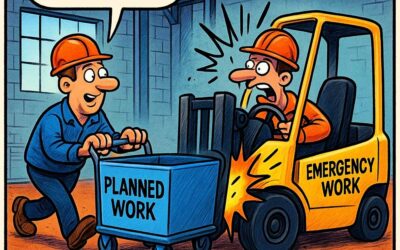
Compliance rarely collapses on purpose. It erodes one deferral at a time, and each deferral feels completely reasonable in the moment. A PM gets bumped because the line is running well and nobody wants to stop it. Another slips because the crew is buried in emergency work. None of these decisions looks reckless on its own.
The trouble is that repeated deferrals can increase deferred maintenance risks when the task is intended to control a real failure mode. A skipped lubrication route or postponed inspection may create no visible problem today, which makes another deferral easy to justify unless the risk and completion window are clear.
A preventive task is a risk-control commitment. Deferring it should be a deliberate decision made within approved tolerance and risk rules, not an invisible slip.
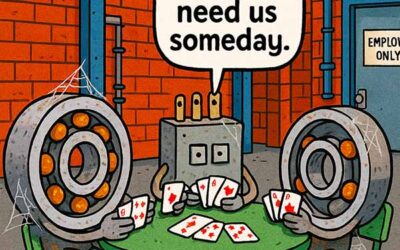
By the time a failure occurs, the connection back to a missed PM may be difficult to establish. A seized bearing may have been influenced by missed lubrication, for example, but the conclusion should come from work history, condition evidence, and failure analysis rather than from the overdue list alone.
That time gap is one reason compliance can be undervalued. Some preventive work reduces exposure to known failure modes; some inspections detect developing defects; and some PM tasks turn out to add little value. Restoring compliance therefore means improving execution while also checking whether the maintenance strategy itself is effective.
Measuring Compliance Honestly First
You cannot improve a metric whose rules keep moving. Compliance can be inflated by counting work as on time when it was completed outside the defined window, by closing partially completed routes as finished, or by changing the criteria after the fact. Start with a documented rule and an honest baseline.
- Count on time: define the compliance window in advance. A task completed outside that window is late for the metric, and manufacturer, regulatory, or safety requirements can be stricter than an internal grace period.
- Count in full: do not mark a route complete when required points or steps were skipped. Record partial execution or exceptions explicitly so the compliance number does not hide unfinished work.
- Segment what matters: report compliance by asset criticality, task type, area, or risk where useful. Avoid changing the headline formula with ad hoc weighting unless the organization has deliberately defined a separate weighted metric.
Compare the compliance data with how to identify recurring equipment failures, but do not assume that the same assets will overlap or that lateness caused the failures. The comparison is a way to find questions worth investigating, not proof of causation.
The point of an honest baseline is improvement rather than shame. A plant at sixty percent compliance can build a plan around that fact, while a reported ninety-five percent is useful only if the completion rule is clear and applied the same way every month.
None of this requires a new software system to begin. A weekly export of due and completed PMs, reviewed for a defined period using one compliance rule, can establish a credible baseline before anyone invests time in a new dashboard.
How to Improve Preventive Maintenance Compliance in Practice
With an honest baseline in hand, the work of raising compliance becomes concrete. The methods are well known, and they share a single theme: protect preventive work from the constant, magnetic pull of reaction.
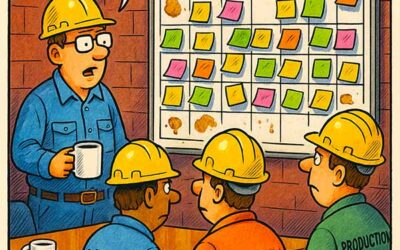
The first move is to schedule PMs as real, resourced work rather than background tasks that happen only if time allows. A task with a clear owner, realistic duration, required resources, and a feasible execution window is more likely to be completed on time than one left as an unresourced intention.
A late PM may still add value, but it should not be counted as on time when it falls outside the defined compliance window. Compliance is about executing the agreed maintenance interval consistently.
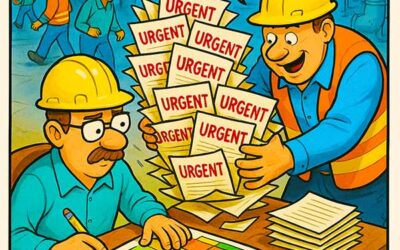
Set weekly capacity rules explicitly instead of assuming that underloading is universally best. Some organizations reserve capacity for expected break-in work; others fully load the weekly schedule to available labor and allow justified urgent work to displace planned jobs. Either approach can support efforts to improve maintenance schedule compliance if the loading rule is clear, break-ins are measured, and emergency demand is not hidden by changing the denominator.
The third move is to make deferrals visible and deliberate. Record the reason, revised date or condition, and required approval where appropriate. Safety-, regulatory-, or manufacturer-mandated tasks may have specific rules that an internal deferral process cannot override.
A fourth move is to right-size the PM itself. When a task takes forty minutes but was planned for ten, crews fall behind for reasons unrelated to motivation. Updating job plans with realistic labor, access, tools, and task content removes an avoidable source of lateness.
Putting Accountability on the Right Side
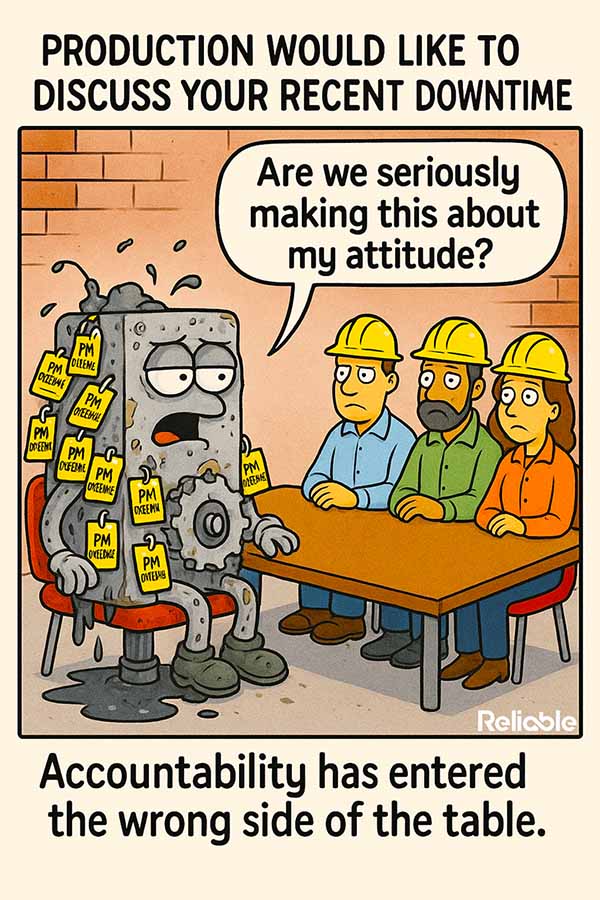
The meeting where the equipment gets blamed for its own downtime carries a useful lesson. Accountability should start with the work system: was the task valid, was it scheduled within a realistic window, were the resources available, and was a deferral approved correctly? Individual execution issues can still matter, but they should be established from evidence rather than assumed.
- Ask about the schedule: was the PM ever given a realistic slot and the resources to finish it?
- Ask about interruptions: how often did emergency work devour the hours set aside for prevention?
- Ask about ownership: did anyone actually decide to defer this task, or did it just silently expire?
These questions move the conversation from personality toward process and evidence. A technician who missed a lubrication route because three higher-priority breakdowns landed the same morning may have exposed a capacity, prioritization, or scheduling problem. The response should address the actual reason the task was missed.
Leaders influence whether the number stays trustworthy. When a missed PM triggers a review of task validity, priority, capacity, planning, and execution, the metric can drive improvement. When the only goal is to protect the score, late or incomplete work is more likely to be hidden or administratively closed.
Avoid assuming why a technician deferred a task. Ask what prevented execution, whether the decision followed the priority rules, and what should change so the same barrier does not repeat.
Making the Compliance Payoff Visible
Compliance survives when its operational value is visible, but the connection to reliability needs to be demonstrated rather than assumed. The most useful view combines execution measures with evidence that the PM tasks are finding defects, controlling relevant failure modes, or supporting required safety and regulatory outcomes.
Trend PM compliance alongside reactive work, failures of the modes the PM is intended to address, overdue work, and measures of PM findings or effectiveness. If execution improves while the targeted failures decline, that is useful evidence, but the trend alone does not prove causation.
Compliance tells you whether the PM plan was executed. Effectiveness tells you whether the PM plan was worth executing.
Sharing the results matters when the data supports the connection. If better access to equipment allows critical PM work to be completed and the targeted failure modes decline, operations has a concrete reason to protect those maintenance windows.
That is also how compliance can become a shared plant measure rather than a maintenance-only score. Operations controls access to many assets, maintenance controls execution, and both groups influence whether the approved maintenance strategy is actually carried out.
Sustaining Compliance Over the Long Run
Reaching a good compliance number is far easier than holding it. The same pressures that eroded it the first time never really go away, so sustaining compliance is a permanent, low-level discipline rather than a project with a finish line.
Many plants review compliance weekly so overdue work and barriers are visible before the month closes, although the right review cadence depends on the volume and criticality of the work. The important point is to review the same definition consistently and act on recurring reasons for noncompliance.
It also helps to keep the PM content worth doing. Bloated or ineffective task lists consume capacity and can drive lateness. Prune, redesign, or change intervals based on failure modes, operating context, inspection findings, and risk rather than simply deleting tasks because they are unpopular.
Turnover is the quiet enemy of a sustained program. When an experienced planner leaves, the informal knowledge of which PMs truly matter can walk straight out the door with them, so writing down the reasoning behind the schedule protects compliance against the next reorganization.
Sustained compliance, in the end, is a habit the whole plant shares rather than a rule it obeys. It lives in a hundred small choices to do the scheduled work today, and it fades the moment those small choices start going the other way.
From Blame to a Reliable Plan
The overdue PM list in a downtime meeting is evidence to investigate, not proof that a missed task caused the failure. Check whether the task addressed the failed mode, whether it was actually overdue under the defined window, and whether the failure mechanism is consistent with the missed work.
Improving preventive maintenance compliance replaces vague arguments about whether the work was done with a measurable execution process. When a task is late, the plant can ask why, decide whether the task and interval are valid, and remove the barrier that prevented on-time execution.
High PM compliance is evidence of execution, not proof of reliability. Pair it with failure, condition, overdue-work, and PM-effectiveness measures.
The path forward is practical: define the compliance rule, measure it honestly, resource the work, control deferrals, remove recurring execution barriers, and keep improving the PM content itself.
With effective PM tasks and disciplined execution, avoidable overdue work should shrink and maintenance risk can be better controlled. That is a stronger outcome than a high compliance percentage by itself.