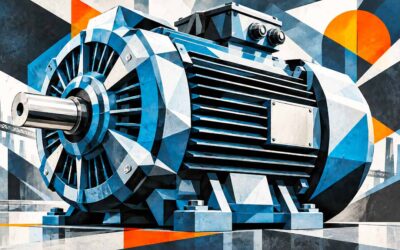


Visual inspection was the first method used for predictive maintenance. Almost from the inception of the industrial revolution, maintenance technicians performed daily “walk-downs” of critical production and manufacturing systems to identify potential failures or maintenance-related problems that could affect reliability, product quality, or production costs.
Visual inspection still is a viable predictive maintenance tool and should be included in all total plant maintenance management programs.
Long before sensors and analytics, sharp eyes and daily walk-downs kept machines reliable.
Visual inspection offers several key benefits, primarily focused on early defect detection, cost reduction, and enhanced safety.
It’s a cost-effective method for identifying issues before they escalate, improves efficiency by enabling quick defect detection, and contributes to a safer working environment by spotting potential hazards early. Visual inspection is also versatile, applicable across various industries and assets.
Why Visual Inspections Are Still Indispensable
- Cost-Effectiveness: It is a simple method to identify issues early before they become larger issues.
- Early Defect Detection: Visual inspection allows for the identification of defects in the early stages of production or maintenance, preventing minor issues from becoming costly repairs or replacements.
- Reduced Downtime: By catching problems early, visual inspection minimizes downtime and ensures equipment uptime, which is crucial for maintaining productivity in industries with continuous operations.
- Safety Enhancement: Visual inspection helps identify potential hazards and safety risks before they lead to accidents or injuries.
- Preventing Failures by spotting issues like corrosion, cracks, or leaks, visual inspection can help prevent equipment failures and maintain a safer working environment.
- Wide Applicability: Visual inspection is a versatile method that can be applied to a wide range of assets and industries, including manufacturing and maintenance.
- Efficiency: Visual inspection enables quick identification of obvious defects, minimizing downtime and maximizing efficiency.
- Compliance: Visual inspection helps ensure compliance with industry standards and regulations, reducing the risk of legal issues.
- Customer Satisfaction: In manufacturing, visual inspection helps prevent defective products from reaching the market, improving customer satisfaction and reducing returns.
Visual inspection relies on human observation to identify defects or anomalies in materials, products, or equipment. Key attributes include its simplicity, cost-effectiveness, non-invasive nature, and ability to provide real-time results. It’s a versatile tool, adaptable to different processes and equipment, and crucial for early problem identification in quality control and maintenance.

Steps to Integrate Visual Inspections into Daily Maintenance
To implement visual inspections effectively, establish clear procedures, utilize appropriate tools, and ensure proper documentation. This involves defining what constitutes a defect, creating standardized checklists, ensuring adequate lighting, and training inspectors.
My recommendations:
- Identify a production line or area that is experiencing the most problems based on maintenance rework issues.
- Post a scorecard to ensure the visual inspections are making an impact on equipment and process reliability.