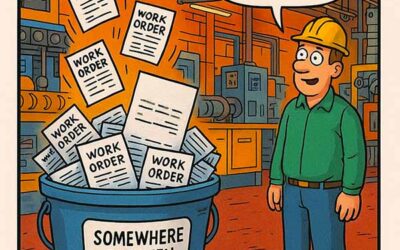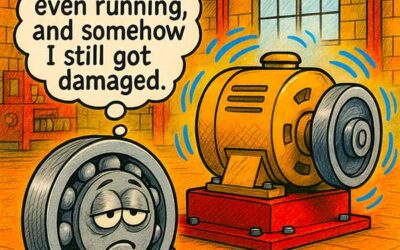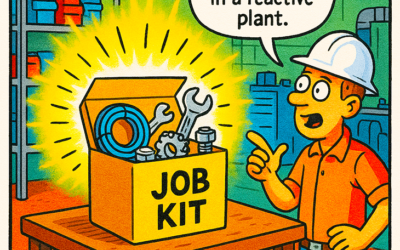

Most plants say they want to run proactively. Then a pump trips at 2 a.m., and the whole week bends around it.
That gap between intention and reality is where proactive maintenance scheduling best practices earn their keep. The goal is simple to state and hard to hold: keep planned work protected so reactive fires stop eating your calendar.
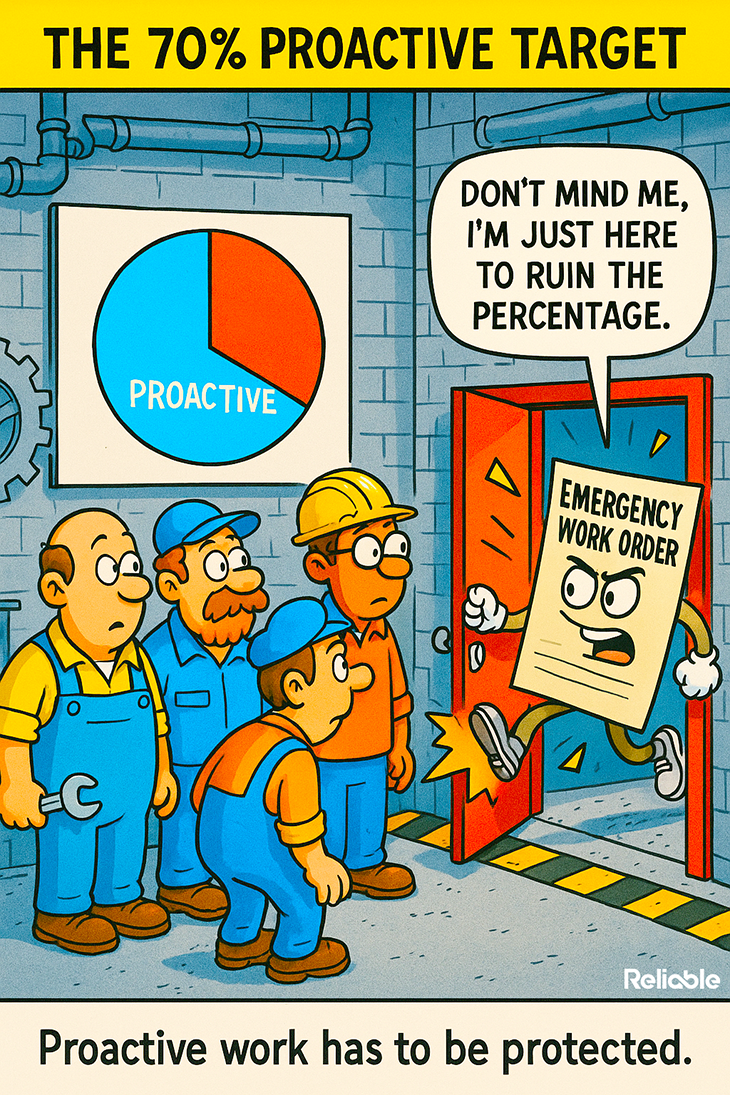
Many mature maintenance programs aim to put roughly 70% to 80% of labor hours against planned, scheduled work, with the balance left to absorb genuine surprises. When that ratio flips for long periods, costs can climb, morale can drop, and equipment problems tend to compound.
The ratio is one of the clearest gauges of maintenance maturity. Plants that consistently stay near or above 75% planned work usually operate with more control and less waste. Plants that sit well below 50% planned work are often stuck in chronic firefighting, which increases stress on the crew.
Run the numbers, and the case gets much easier to defend. Reactive repairs often cost significantly more than the same job done on plan, especially once overtime, expedited parts, collateral damage, and lost production are added to the invoice. A plant stuck in firefighting pays that premium every single day.
Why Proactive Maintenance Scheduling Best Practices Start With Protection
Protection means treating the weekly schedule as a firm commitment.
When a supervisor pulls three techs off planned jobs to chase an unplanned failure, the skipped work becomes next week’s emergency. The damage rarely shows up the same day, which is what makes it so easy to keep doing.
That is the trap. Reactive work feels urgent, so it wins every daily standup. Planned work feels optional, so it slides. Over months, the slide compounds.
Reactive work feels urgent, so it wins every morning meeting. Planned work feels optional, so it quietly slides to next week.
Breaking the cycle takes a hard rule: a fixed percentage of labor hours gets reserved for scheduled work, and only a named decision-maker can spend it on something else.
What protected scheduling looks like in practice:
- A weekly schedule locked by a set day, with parts and labor confirmed before it’s published.
- A defined emergency threshold, so a minor leak gets a different response than a safety-critical failure.
- One person, usually the maintenance planner or supervisor, with the authority to break the schedule.
- A running tally of schedule breaks, reviewed every week so the pattern stays visible.
None of this works without a number to defend. Pick a target, 75% planned is a useful starting point for many plants, publish it, and report against it every week. A target that lives in someone’s head protects nothing.
What a Reactive Plant Actually Costs
Firefighting hides its price tag across a dozen line items, which is why so many teams underrate it.
Overtime balloons, because emergencies rarely keep business hours. Expedited freight on a single part can cost many times the standard shipping rate. A failure that should have been a clean component swap can turn into collateral damage when it affects neighboring equipment.
Where reactive work quietly drains money:
- Overtime premiums for after-hours emergency response.
- Rush fees and expedited shipping on parts that should have been stocked.
- Secondary damage when one failure cascades into others.
- Lost production margin during unplanned downtime, usually the largest line of all.
Safety belongs on the same ledger. Rushed work under pressure raises risk, and a serious injury can dwarf the repair bill. Proactive maintenance scheduling best practices help keep crews out of that pressure cooker in the first place.
Once leadership sees the gap between planned cost and reactive cost, the budget conversation gets easier. The avoided costs can help fund the very program that produces them.
Build the Schedule Around Real Capacity
Schedules break when they’re built on optimism.
If your crew has 200 available labor hours next week and the planner loads 260 hours of work, the schedule was broken before Monday. Padding the plan guarantees the overflow lands as carryover, which looks a lot like a growing backlog.
Many teams start by loading roughly 80% to 85% of available labor hours, then adjust based on actual schedule compliance and emergency demand. The buffer absorbs genuine emergencies without blowing up the plan. A solid predictive maintenance strategy feeds this directly, because it tells you which jobs are coming before they turn into breakdowns.
A schedule loaded past capacity is just fiction with a timestamp, and everyone on the floor knows it by Tuesday.
Capacity planning also exposes the quiet drain on most crews: travel, waiting for parts, and hunting for tools. Tighten those and you free hours without hiring anyone.
Account for the hidden time sinks
Available hours and productive hours are two very different numbers.
A tech on the clock for eight hours might turn wrenches for three. The rest disappears into travel, waiting on permits, finding parts, and meetings. Schedule against clock hours instead of productive hours and you overload the plan without meaning to.
Track where the time actually goes for a week or two. The result is usually uncomfortable and always useful, because it shows exactly which delays to attack first. Kitting, staging parts, and tightening the storeroom give back the most hours for the least money.
Measure schedule compliance honestly
Schedule compliance tracks how much of the planned work actually got done as planned. Consistently falling below 80% may signal problems in planning, parts staging, capacity loading, or leadership backing.
Plenty of teams game the number by quietly rewriting the schedule mid-week to match what happened. That feels better and teaches you nothing. Lock the plan, then measure against it. Efforts to improve maintenance schedule compliance start with measuring the real figure, however ugly.
Trends matter more than any single week. One rough week might be a genuine string of breakdowns. A compliance number that sits below target for two straight months points at the system, and the system is what you can actually fix.
Common reasons compliance slips:
- Parts that weren’t staged or kitted before the job was scheduled.
- Estimates that ignore travel and setup time.
- Standing permission for operations to grab techs for non-emergencies.
- No consequence when the schedule gets broken, so it always does.
Proactive Maintenance Scheduling Best Practices for the Long Haul
Holding the ratio over years takes more than a good week.
The plants that sustain it share a few habits. They keep planning and scheduling responsibilities clear, and separate the roles when scale justifies it. They review broken schedules without blame, looking for the systemic cause. And they invest in the upstream work that shrinks emergencies in the first place.
Document the wins as you go. A simple before-and-after on overtime, schedule compliance, and emergency call-outs turns a hunch into evidence, and evidence is what keeps the program funded when budgets tighten.
Cutting unplanned work at the source matters most. Every effort to reduce reactive maintenance pays back twice: fewer fires now, and more hours freed for the planned jobs that prevent the next round.
Every hour spent preventing the right breakdown can buy back several hours you would have spent chasing it at 2 a.m.
This is where condition monitoring and inspections earn their budget. Catching a bearing before it seizes turns a weekend emergency into a Tuesday work order.
The upstream investments compound. Early detection today means a planned job next month instead of a breakdown next week, and every breakdown you prevent frees a crew to prevent the next one.
The math is steady and boring, which is exactly why it works. Small, consistent gains in planning discipline beat heroic recoveries every time.
Give the schedule teeth
A schedule with no authority behind it is a wish list.
The fix is cultural and structural at once. Leadership has to back the planner when they push back on a mid-week raid. Operations has to live with a real emergency threshold. And everyone has to see the weekly compliance number, because daylight changes behavior.
A schedule that anyone can break for any reason is likely to be broken often.
Expect pushback in the first few weeks. Operations has leaned on grabbing techs for years, and old habits resist a new rule. Hold the line through the awkward stretch and the emergencies thin out, which quiets the pushback on its own.
Start small if you have to. Protect one crew’s schedule for one month, measure the result, and let the numbers make your case.
Proactive maintenance scheduling best practices come down to a set of daily choices about what gets protected and who is allowed to break it.
Get those choices right and the 2 a.m. calls grow rare. That’s the whole point.