
A Simple Question That Exposes a Big Problem
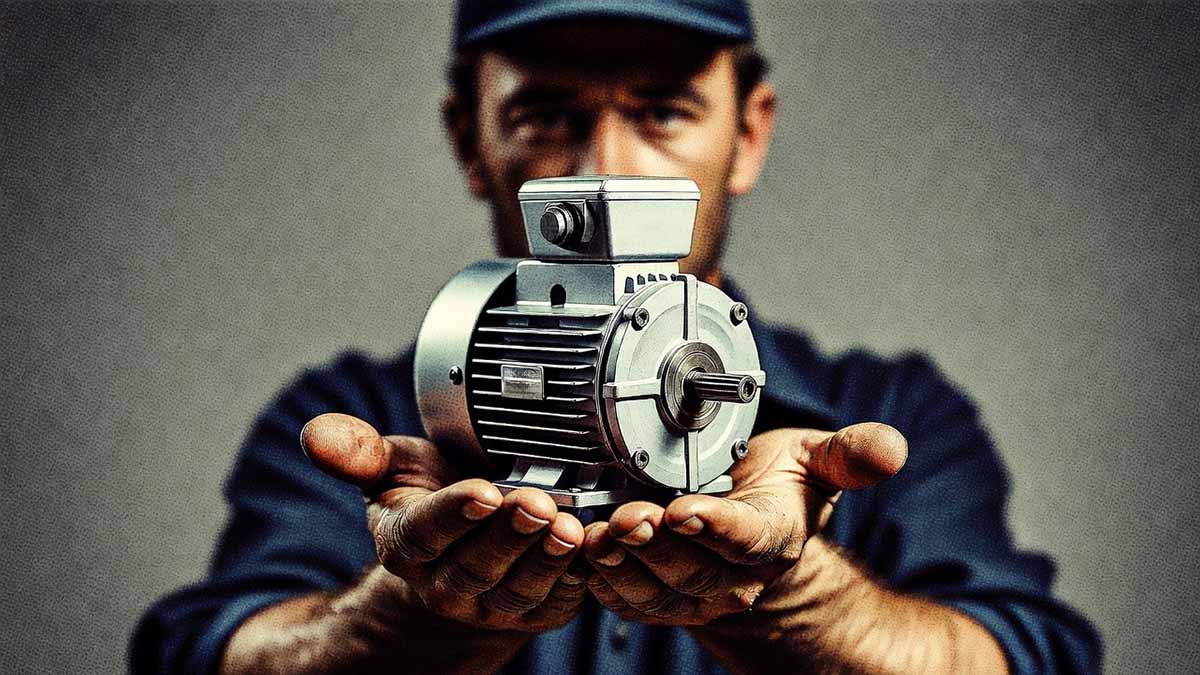
Walk into a plant and ask: “Who owns this asset?”
You’ll often hear two different answers:
- Production: “Maintenance takes care of that”.
- Maintenance: “Production runs (breaks) it. We just fix it.”
Both answers sound reasonable.
In the end, neither is correct in a team-based proactive reliability culture.
I’ve seen this question answered when the teams are cordial, and I’ve seen it answered with words I can’t put in this article, while pointing fingers and seeing red-faced anger. I used to joke that it was like the two were lobbing grenades back and forth at each other. And I’m not sure I was far off! Have you seen this?
And in that gap between running and fixing, you’ll find a ton of waste in the form of lost production, increased costs, safety near misses (injuries sometimes), and strained relationships.
Ownership Drives Behavior … Every Time
People treat things differently depending on ownership.
- What you own, you care for.
- What you’re accountable for, you monitor and act on.
- What belongs to “someone else”, you tolerate.
In a plant, this shows up in real ways:
- Small (and sometimes large) issues ignored until they become failures.
- Equipment pushed beyond intended limits without a plan to manage.
- Early warning signs missed.
- Wasted wrench time because equipment is not down and ready to work on.
- Maintenance work that could have been avoided.
Ownership is not a soft concept. It directly impacts performance.
The Structural Mistake: Separating What Shouldn’t Be Separate
Many organizations operate as if Production and Maintenance are independent functions. They are not. In some cases, it even drives the production of hierarchies that should not exist.
A simple concept: Production + Maintenance = Operations
When it comes to throughput, customer service, safety, and cost, both teams share the same outcomes. Yet many organizations unintentionally create systems that drive them apart.
How Misalignment Happens
When roles and expectations are unclear:
- Production is pushed to maximize output without thought of asset health.
- Maintenance is measured on completing work without control to drive it.
The result:
- Equipment is stressed
- Preventive and predictive work is delayed or never happens.
- Failures and downtime increase.
- Frustration builds between the team.
Two teams working hard, but not working together. Not working as a single operations team to safely service the customer every time they ring that order bell.
A Better Way: One Operations Team, Two Clear Responsibilities
- Production owns the asset; the health of their assets.
- Maintenance owns the capability of the assets.
Production ownership means operating within limits, identifying abnormalities early and communicating them, ensuring equipment is down and ready to work on per the shared schedule, and maintaining equipment condition. If there is a business decision to run outside of limits, own the shared development of a plan for how to manage when increased problems with assets arise.
Maintenance ownership means ensuring long-term capability, eliminating defects, executing work at a high precision level, working efficiently to optimize wrench time, and improving overall equipment reliability.
This is not a handoff. Rather, it is shared accountability that has shared roles and responsibilities for the model to be successful.
What This Looks Like in Practice
Facilities that align ownership see:
- Earlier issue detection & removal.
- Improved equipment condition & reduced downtime.
- More planned work and higher wrench time.
- Less blame, more problem-solving
The change is not technology, it is clarity in ownership, roles, responsibilities, and behaviors.
The Leadership Responsibility
Leaders of the plant and business units must:
- Define roles & responsibilities for production & maintenance clearly.
- Ensure a common playbook and vision for best in class.
- Hold accountability to everyone.
If leadership treats teams as separate, the plant will too.
Where to start:
- Production + Maintenance = Operations. They are one team.
- Clarify the reliability excellence end in mind vision, ownership & expectations.
- Clarify roles & responsibilities: the real details.
- Align metrics. ONE TEAM. SAME GOALS.
- Standardize work processes.
- Reinforce it all through leadership and accountability.
Closing Thought
Most plants don’t struggle because people aren’t working hard. Let’s be clear: EVERYONE WANTS TO WIN! However, not everyone understands HOW to win. They struggle because ownership isn’t clear, roles and responsibilities are not understood, and accountability doesn’t exist.
When Production and Maintenance align as one team, shared goals, clear responsibilities, then performance improves.
There aren’t two teams. There’s only Operations.