
Walk into almost any manufacturing facility and you’ll eventually hear someone say,
“Production and Maintenance just don’t work well together.” I’ve never liked that statement. Because Production and Maintenance aren’t supposed to be competing organizations.
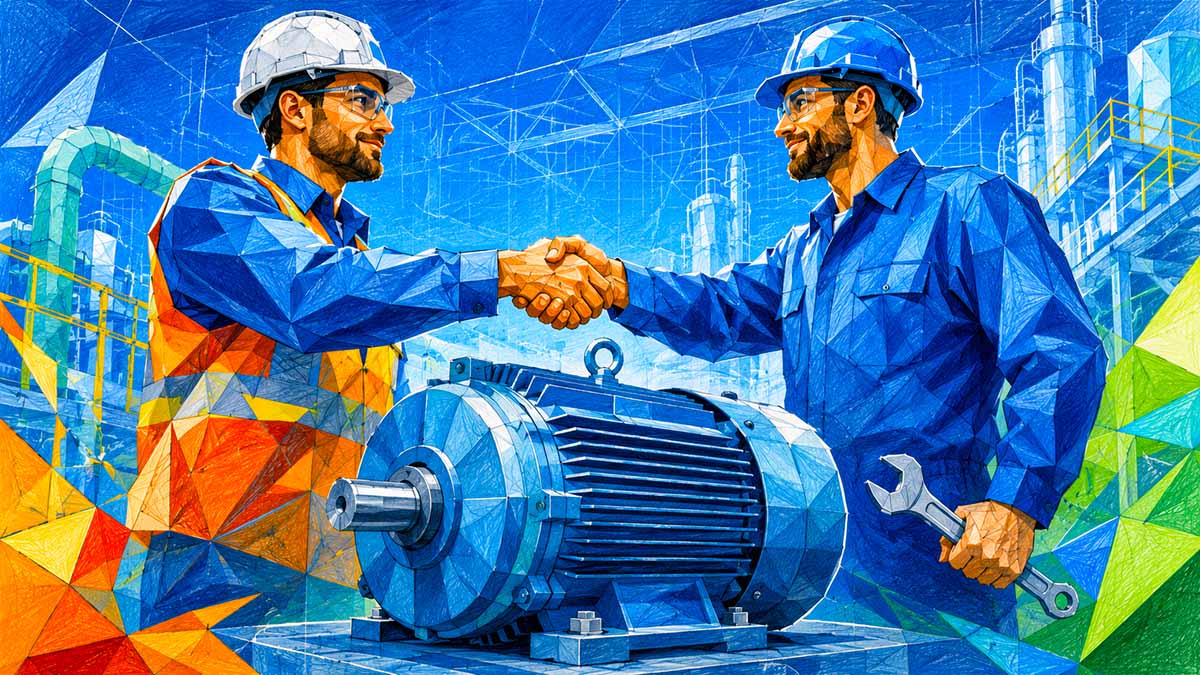
Together, they are the Operations TEAM.
They have one customer. One mission. One scorecard. Production owns delivering the business results from the assets. Maintenance owns ensuring those assets are capable of delivering those results safely, reliably, and efficiently.
Neither team wins unless both teams win.
Unfortunately, that’s not always how it feels. Too often, Production believes Maintenance doesn’t understand the pressure of meeting customer commitments. Maintenance believes Production doesn’t appreciate the complexity of maintaining aging equipment.
In my career, I’ve seen where the relationship changes, sometimes quickly and sometimes slowly over time. The two teams stop solving problems together. They start defending themselves from one another. And trust begins to disappear.
Ironically, broken equipment is rarely what destroys the relationship…..
Broken commitments do.
Trust Is Built One Commitment at a Time
I’ve never met a Production Manager who expected equipment to run forever. Actually, I take that back. There are those leaders out there that believe equipment shouldn’t need maintained, but I will save that for another article.
Every experienced operator knows machines fail. What Production struggles to accept isn’t equipment failure. It’s uncertainty. It’s being told the line will be running by noon… Only to learn at 11:45 that it will actually be tomorrow morning.
It’s discovering a promised repair date slipped two days without anyone communicating it. It’s hearing:
“We’re waiting on Purchasing.”
“Engineering hasn’t approved the drawing.”
“The contractor isn’t here yet.”
Those explanations may all be true. But Production hears something different. They hear, “You can’t depend on us.”
Every missed commitment weakens confidence. Eventually, Production begins making plans assuming Maintenance won’t meet its commitments. Once that happens, trust is already fading or failed.
Reliability Is Really About Predictability
Most people define reliability as equipment that doesn’t fail.
I don’t.
I define reliability as predictability. Can Production trust the equipment? Can they trust the maintenance plan? Can they trust the schedule? Can they trust the completion date? Can they trust that what Maintenance communicates today will still be true tomorrow?
Predictability creates confidence.
Confidence creates trust.
Trust creates teamwork.
And teamwork creates great Operations TEAMs.
The Customer Never Sees the Organizational Chart
Customers don’t know where Production ends, and Maintenance begins.
Nor do they care.
They simply know whether their order shipped on time. Whether the product met quality expectations. Whether you kept your commitments. When a shipment is late because of an equipment failure, the customer doesn’t blame Maintenance.
When production falls behind because operators struggled with an unreliable asset, the customer doesn’t blame Production. They simply see one company.
World-class manufacturers understand this……
Production and Maintenance aren’t working for each other. They’re working together for the customer.
Never Surprise Production
I’ve been in maintenance roles, reliability leadership roles and production roles. If I could give every Maintenance Leader only one piece of advice, it would be this:
Never let Production be surprised.
Not by a missed completion date. Not by a delayed part. Not by a contractor issue. Not by discovering the repair scope doubled overnight. Bad news delivered early is almost always received better than bad news discovered late.
Production can adjust to almost anything.
What they cannot manage is uncertainty.
Communication isn’t simply part of maintenance.
Great communication MUST be a core competency of maintenance teams.
How Great Maintenance Organizations Earn Trust
The best Maintenance organizations I’ve worked with didn’t promise perfection. They promised transparency. When they weren’t certain, they admitted it. When repair scopes changed, Production knew immediately. When commitments were made, they protected them relentlessly. When circumstances changed, they communicated before anyone had to ask.
They understood something every great leader eventually learns……
Trust isn’t built when everything goes according to plan. Trust is built by how you respond when it doesn’t.
Rebuilding Trust After You’ve Lost It
Every Maintenance organization will disappoint Production at some point. The question isn’t whether it will happen. The question is what happens next.
The organizations that successfully rebuild trust tend to follow the same path.
First, own the outcome.
Don’t blame Purchasing.
Don’t blame Engineering.
Don’t blame suppliers.
Leaders own results.
A saying I enjoy using in these circumstances is “don’t point fingers at others, point your thumb back at yourself, and own the situation.”
Second, always tell the truth, even when it’s uncomfortable. If the repair will take three more days, say three more days. Hope is not a maintenance strategy. Using the word “hope” does not instill confidence. Try to either know or say “I don’t know yet, but I will. When I do, you will know immediately too.”
Third, communicate before you’re asked. Production should never have to wonder where a repair stands. If something changes, they should hear it from Maintenance first. Every time.
Fourth, keep every commitment you make. If you promise an update at 2:00 p.m., give it at 2:00 p.m. Even if nothing has changed. Reliability isn’t only about equipment. It’s also about people doing exactly what they said they would do.
Finally, solve problems together. Invite Production into the repair strategy. Explain the options Discuss the risks together. Ask for their input. When people solve problems together, they stop viewing each other as opponents. They become teammates again.
Great Operations Is Built on Mutual Trust
I’ve been fortunate to work alongside exceptional Production and Maintenance teams throughout my career. The very best organizations all shared one characteristic. There was no “us versus them.”
Production respected what Maintenance brought to the table. Maintenance understood the pressure Production carried every day. Both teams challenged each other. Both teams supported each other. Both teams understood they were accountable to the same customer.
That’s what great Operations TEAMs looks like.
What Separates the Best Organizations
The best manufacturing organizations don’t have a great Production department. They don’t have a great Maintenance department.
They have a great Operations team. Production delivers the business results. Maintenance provides the equipment capability that makes those results possible.
Together, they create value for the customer.
When Production trusts Maintenance…
Scheduling improves. Communication improves. Reliability improves. Customer service improves. Business performance improves. Because the strongest maintenance organizations don’t simply repair equipment.
They build and are constantly working to continuously improve trust.
And trust has always been one of the most valuable assets any Operations team can possess.
I hope you enjoyed this article and it adds value to you. It’s not just important for maintenance to gain and improve trust with production. It’s equally important for the production team to build and improve trust with maintenance. This will be a future article, and I’d love your feedback!