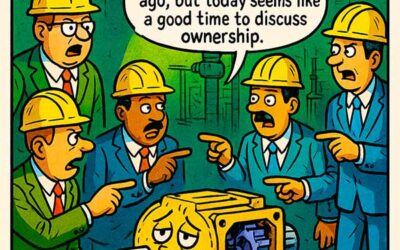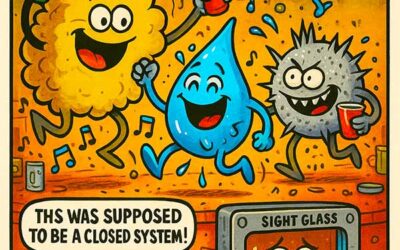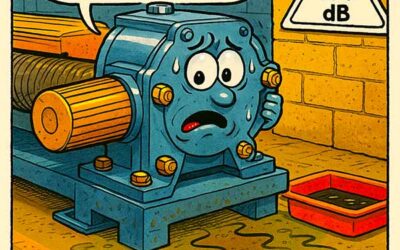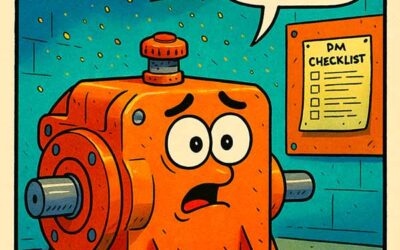
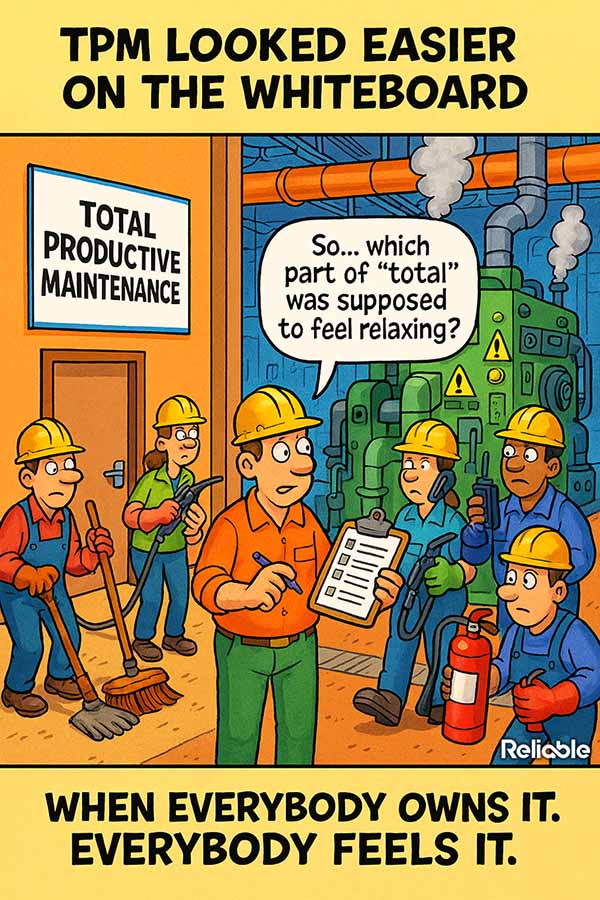

Total Productive Maintenance sounds bulletproof in a conference room. The pillars line up, the KPIs make sense, and every stakeholder nods along with the rollout timeline.
Then the plan hits the shop floor, and everything slows to a crawl. A 2023 study by the Japan Institute of Plant Maintenance found that nearly 60% of TPM initiatives fail to reach full deployment within three years.
The gap between planning and execution is where most programs die. Understanding why that happens, and what to do about it, is the difference between a binder on a shelf and a workforce that actually owns maintenance.
Why TPM Stalls After the Kickoff
The first few weeks of any TPM rollout tend to feel productive. Banners go up, teams get assigned, and someone builds a 5S audit checklist that looks fantastic in a spreadsheet.
But momentum fades fast when operators realize the new responsibilities add to their workload without removing anything else. A plant running three shifts with lean staffing doesn’t have spare capacity hiding somewhere in the schedule.
Nobody told the operators their existing tasks would be reduced. They heard a presentation about pillars and autonomous maintenance, nodded politely, and went back to making parts.
The biggest threat to TPM is not resistance; it is the slow erosion of enthusiasm when people feel overloaded and undersupported.
Maintenance technicians often view the program with skepticism, too. They’ve spent years developing specialized skills, and now they’re being told to hand basic tasks to operators who’ve never touched a grease gun.
Leadership compounds the problem by treating TPM as a project with an end date rather than a permanent cultural shift. When the initial champion gets promoted or leaves, the initiative often leaves with them.
The result is a pattern that repeats across industries: enthusiastic launch, gradual decline, quiet abandonment. Two years later, someone proposes launching TPM again, often to the same weary audience.
The Training Problem Nobody Talks About
Training is where the gap between TPM theory and TPM practice becomes painfully obvious. Most companies underinvest here, and the results are predictable.
Most TPM training programs last between two and four hours. That’s enough time to explain what autonomous maintenance means, but nowhere near enough to build real competence.
Operators need hands-on practice with the specific equipment they run every day. Generic training modules built around theoretical scenarios don’t translate to a 1990s-era CNC lathe with quirks that only the third-shift crew knows about.
The skills gap shows up fast. A 2022 Deloitte survey reported that 78% of manufacturers cited workforce skills shortages as a top concern, and bolting TPM duties onto that gap just widens it.
Effective training looks different from what most plants deliver. It’s machine-specific, hands-on, and ongoing.
- Equipment-specific training sessions led by experienced technicians, not generic slide decks
- Competency sign-offs before operators take ownership of new inspection or lubrication tasks
- Refresher training scheduled quarterly, not just at initial rollout
- Dedicated time during shifts for learning (not squeezed into lunch breaks or overtime)
When training is treated as a checkbox, the results look like checkboxes: completed on paper, absent in practice. Operators who don’t feel confident performing a task will either skip it or do it poorly.
Middle Management: The Make-or-Break Layer
Senior leaders sign off on TPM. Operators carry it out. But the layer in between (shift supervisors and production managers) determines whether it actually works.
These supervisors face a daily tension between throughput and maintenance activities. When a line is behind schedule, autonomous maintenance checklists are the first thing to get skipped.
If your supervisors see TPM tasks as interruptions to production targets, your operators will see them the same way.
Nobody gets fired for missing a lubrication check, but missed production numbers trigger immediate conversations with plant leadership. The incentive structure is lopsided, and everyone on the floor knows it.
Fixing this requires changing what supervisors are measured on. If their performance reviews and bonuses are tied exclusively to output, they’ll optimize for output. Adding equipment availability, mean time between failures, and TPM task completion to their scorecards sends a different signal entirely.
Some plants have gone further by creating a shared bonus pool that rewards both production output and equipment reliability together. When the supervisor’s paycheck depends on PM completion rates, priorities shift quickly.
Building Ownership Instead of Compliance
Compliance means people do what they’re told. Ownership means they do it because they understand why it matters, and they’d do it even if nobody checked.
The difference between the two determines whether TPM survives past year one. Ownership starts with involvement, not instruction.
Plants that let operators participate in writing their own autonomous maintenance standards see significantly higher adherence rates than those that hand down standards from an engineering office. People follow rules they helped create.
- Involve operators in root cause analysis when equipment fails
- Let teams set their own improvement targets based on real machine data
- Recognize contributions publicly (a mention in a shift meeting carries more weight than a gift card)
- Share results transparently, including setbacks and failures
Ownership also requires trust. Operators who report problems shouldn’t face blame for the downtime that follows. If flagging an issue leads to negative consequences, people stop flagging issues.
A chemical plant in Louisiana reduced its unplanned downtime by 34% in one year simply by creating a no-blame reporting system for equipment concerns. Operators submitted over 400 early warning reports in the first six months, and maintenance used those reports to prevent 12 major failures.
Condition Monitoring as a Practical Starting Point
One of the most effective ways to build early TPM wins is through basic condition monitoring. Vibration analysis, thermal checks, and oil sampling give operators tangible data that connects their daily work to equipment health.
When an operator catches a failing bearing two weeks before it would have caused a line shutdown, TPM stops being abstract and becomes personal.
Modern condition monitoring tools have gotten remarkably accessible. Handheld vibration pens cost under $500, and thermal cameras are now built into smartphones. Plants don’t need six-figure predictive maintenance systems to get started.
The key is connecting the data to action. Condition monitoring results should feed directly into work order systems so that findings actually trigger repairs. Without that closed loop, data collection becomes another meaningless task on an already crowded checklist.
Plants that integrate condition monitoring into their TPM programs report faster operator buy-in because the technology provides immediate, visible results. When a technician can show an operator the vibration spike their inspection caught, the value of the task becomes self-evident.
What Sustainable TPM Actually Looks Like
Plants that sustain TPM over five or more years share a few common traits. None of them involve perfect execution from day one.
They start small. Rather than launching all eight TPM pillars simultaneously, successful programs pick one or two production lines and build a proof of concept. Toyota’s Tsutsumi plant, often cited as a TPM benchmark, took over a decade to reach full maturity.
Patience matters more than perfection in the early stages. The goal is to build momentum, not to achieve textbook implementation overnight.
- Focused pilot programs on one or two lines before scaling plantwide
- Weekly TPM review meetings that last 15 minutes, not 90
- Visible tracking boards on the shop floor (not dashboards buried in software that nobody opens)
- Annual reassessment of standards based on what’s actually working versus what looked good on paper
They also accept imperfection. A TPM program running at 70% adherence across every line is more valuable than one running at 100% on a single showcase line while the rest of the plant ignores it entirely.
The plants that get this right treat TPM as a living system, not a fixed program. Standards evolve, training adapts, and the people doing the work have a genuine voice in how it’s done.
Closing the Gap Between Plan and Practice
TPM will always look better on a whiteboard than on a shop floor. That’s the nature of any system that depends on thousands of small daily actions performed by people with competing priorities and limited time.
The programs that survive are the ones that adapt, simplify, and keep going when the initial excitement wears off. They focus on people before processes, and they measure progress in months, not weeks.
Every plant that has made TPM work will tell you the same thing: the system on paper was just the starting point. The real program was shaped by the people who use it every day.
Getting TPM right is a long game. But the plants that play it well see measurable returns: lower breakdown rates, higher OEE, and a workforce that takes genuine pride in the condition of their equipment.